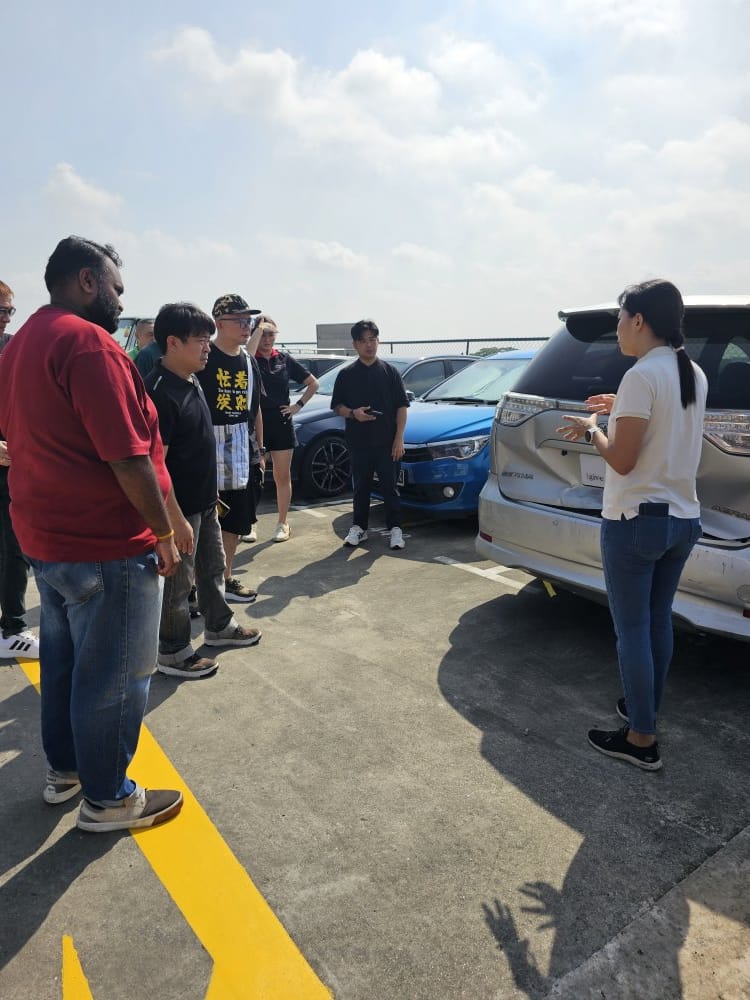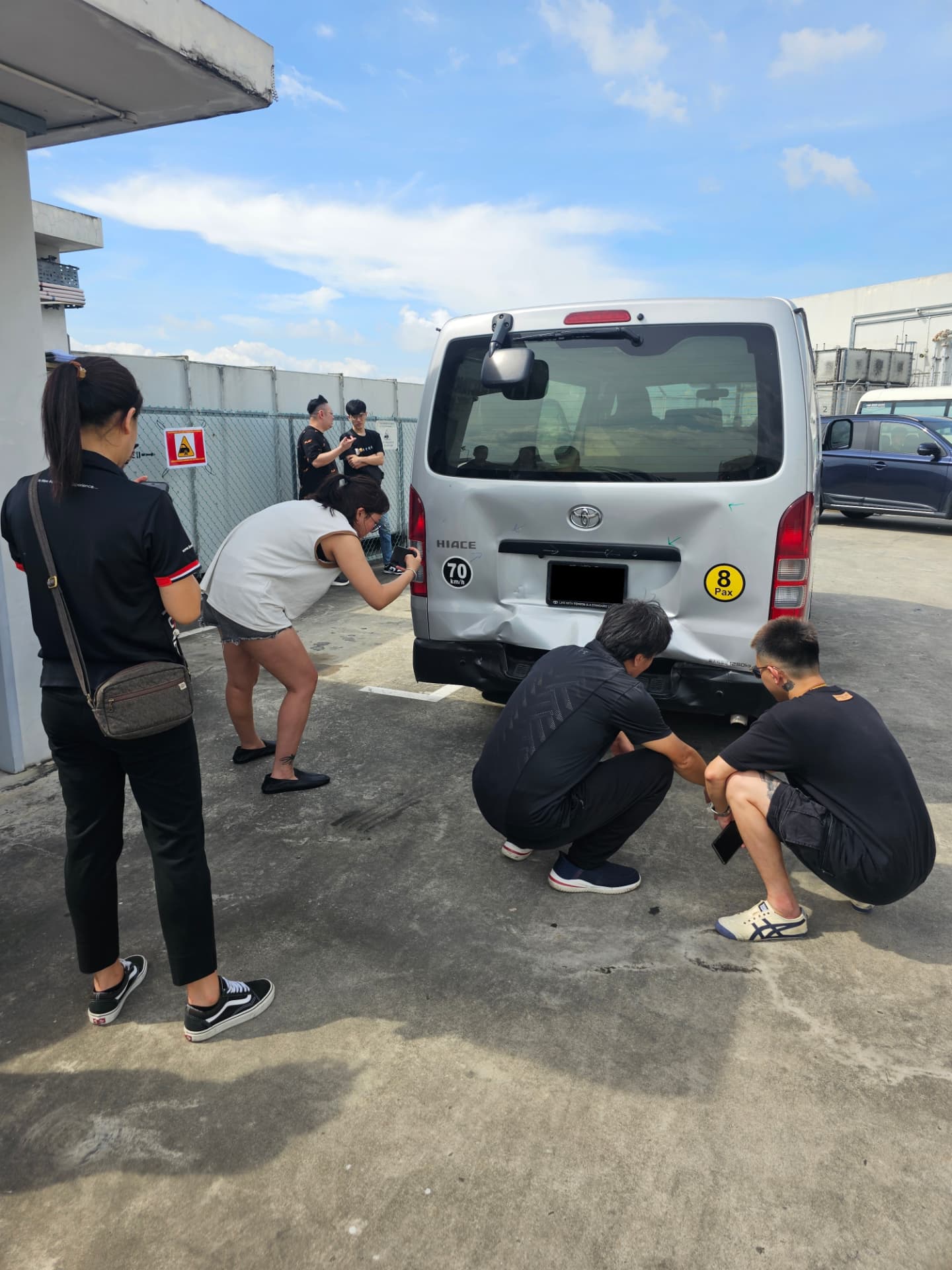
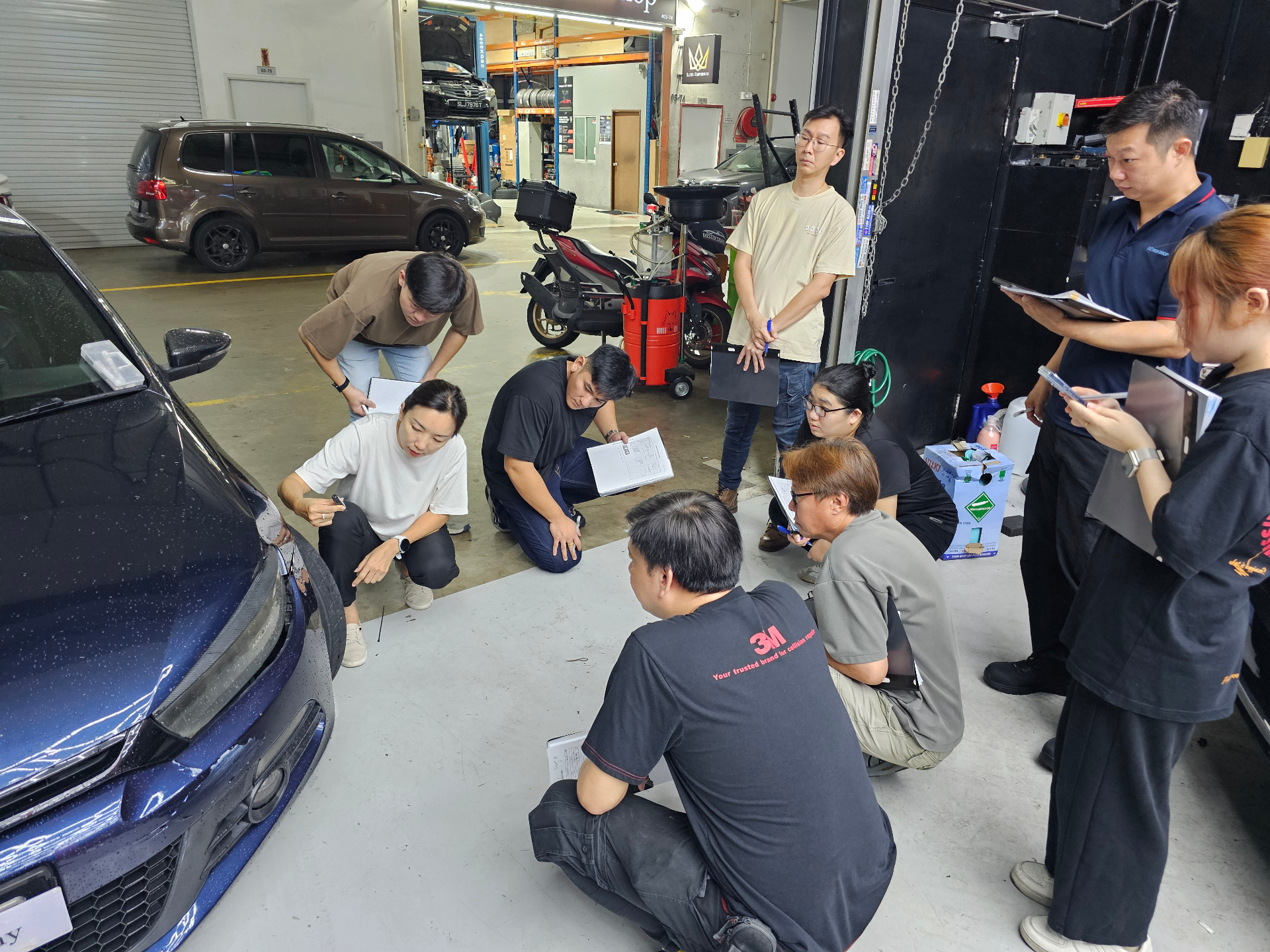
Some people may think the job is simple — look at the damaged vehicle, take some photographs, list the damaged parts and prepare a report.
But there is much more to it than that.
A vehicle surveyor needs to understand the vehicle, how the accident happened and how the impact may have affected different parts of the vehicle.
The role requires knowledge of vehicles, damage assessment, repair methods and the claims process.
And the responsibility doesn't end after the inspection.
Surveyors are often involved in insurance claims, where their assessment and report may be reviewed by different stakeholders — including insurers, workshops, vehicle owners, lawyers and other parties involved in the claim.
This means a surveyor needs to be able to explain and stand behind their assessment when questions are raised.
Their findings may be challenged, questioned or disputed by the parties involved. A surveyor therefore needs to be prepared to explain how the assessment was carried out, what evidence was considered and how the conclusions were reached.
In some cases, depending on the matter and their appointment, this may even involve providing expert evidence or acting as an expert witness in a legal proceeding.
That is the level of responsibility that comes with the job.
So, is being a vehicle surveyor easy?
It may look simple from the outside.
But being a surveyor is more than just carrying out an assessment. Rain or shine, the assessment still has to be done properly.
And beyond the physical demands of the job, there is also the responsibility that comes with every assessment.
It's not just about what you can see.
It's about knowing what to look for, understanding what the damage means, and being prepared to stand behind your assessment — even when it is questioned or challenged.